
Need cash fast? An instant personal loan in Canada can get money into your account within hours, not weeks.
We at Financial Canadian know that traditional banks move slowly. That’s why we’ve put together this guide to help you find lenders who actually deliver speed without sacrificing fair terms.
What Makes a Personal Loan Instant in Canada
An instant personal loan in Canada isn’t actually instant-that’s marketing speak. What lenders mean is approval within one business day if you submit complete paperwork, with funds hitting your account shortly after. Some lenders advertise same-day funding, but the reality depends on your bank’s processing speed and what time you apply. If you submit your application after 3 p.m., don’t expect money before the next business day. The minimum loan amount typically starts at $5,000, and you can borrow up to larger amounts depending on your income and credit profile.

Loan terms stretch from a few months to 10 years, giving you flexibility to choose repayment windows that fit your cash flow. The real speed advantage comes from the online application process-no branch visits, no waiting in line, no calling a loan officer who’s booked three weeks out.
Speed That Actually Matters
Approval timelines matter more than marketing claims. Most lenders process your application in one business day if you have your documentation ready. This means having your driver’s license or passport, recent pay stubs or employment letter, last two months of bank statements, and your last tax return scanned and uploaded before you hit submit. Self-employed applicants should prepare three years of tax returns, which slows things down but remains faster than traditional bank timelines. Once approved, funds deposit directly into your chequing account-no cheque to deposit, no waiting for clearing. You need to be 18 or older, a Canadian resident, and have valid identification. Your credit score matters less than lenders pretend. If your credit’s rough, you can add a guarantor to strengthen your application, though that guarantor needs to provide the same documentation you do. The approval speed advantage disappears entirely if you lack organized paperwork.
What Lenders Actually Check
Lenders focus on three things: your income and your ability to repay, and your willingness to repay. They verify employment, calculate your debt-to-income ratio, and check whether you defaulted on previous loans. A strong credit score helps, but lenders increasingly approve people with fair or poor credit if income is stable. Self-employed borrowers face tougher scrutiny-they must provide multiple years of tax returns and business financials. Your employment stability matters more than your job title. Someone working as a contractor for three years looks better than someone with a higher salary but only three months in the role. Lenders also check for any bankruptcy disclosures, so don’t hide that information. The documentation requirements exist because lenders want to approve you quickly without taking excessive risk. Transparency about your financial situation actually speeds approval rather than slowing it.
Documentation You’ll Need
Prepare these documents before you apply: a driver’s license or passport, employment details (job title, employer name, start date), recent pay stubs or an employment letter, your last two months of bank statements, and your most recent tax return. Self-employed applicants add three years of tax returns and business financial statements to this list. You’ll also need to disclose your assets and liabilities (mortgages, car loans, credit card balances) and any bankruptcy history. If you’re adding a guarantor, gather the same documentation for them. Having everything scanned and ready to upload cuts your approval time significantly. Lenders who offer the fastest approvals tend to have the most streamlined online processes and the simplest eligibility requirements.

The faster you submit complete paperwork, the faster you move toward funding.
Moving Forward With Your Application
Once you understand what lenders check and what documentation you need, the next step is finding the right lender for your situation. Different lenders offer different interest rates, fees, and repayment flexibility-factors that matter just as much as speed when you’re borrowing money.
How to Apply for an Instant Personal Loan
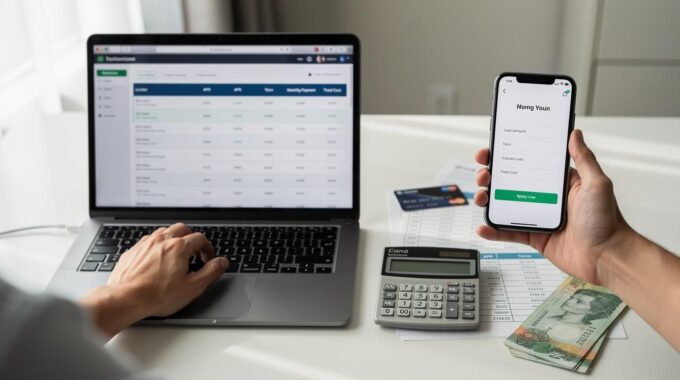
The application process itself takes 15 to 30 minutes if you’re organized. Start by visiting the lender’s website and clicking their application button-most lenders offer a simplified online form that asks for basic personal information, employment details, and income. You upload your documents directly through their portal rather than emailing or mailing anything. The system typically lets you snap photos of your ID and pay stubs with your phone, which speeds things up significantly. Submitting at 2 a.m. won’t hurt your chances, though applying after 3 p.m. on a Friday means your approval likely won’t arrive until Monday at the earliest. Most lenders promise approval within one business day if documentation is complete, but that clock starts when they receive your full application, not when you hit submit with missing paperwork. A guarantor strengthens your application if your credit is weak, though adding one extends the timeline because the lender must verify their income and employment too. After approval, funds deposit directly to your chequing account within hours-sometimes the same day if your bank processes transfers quickly, typically within 24 hours at most. The entire process from application to money in your account can happen in 24 to 48 hours when everything aligns correctly.
Finding Lenders Who Actually Deliver Speed
Not all lenders advertising fast approval actually deliver it. Some require phone calls or branch visits that slow everything down, defeating the purpose of applying online. Look specifically for lenders offering fully digital applications with no phone verification step-those are the ones moving fastest. Credit unions in Canada often offer competitive rates and faster approval than traditional banks, with some approving loans within one business day. Compare your options using loan selector tools that let you see rates, fees, and terms side by side before applying. Application fees vary significantly between lenders, ranging from none to several hundred dollars, so review fee disclosures before committing. Some lenders charge annual fees in addition to interest, while others charge only interest. Check the Account and Fee Information documents each lender provides to understand the true cost of borrowing. Lenders offering the fastest approvals typically have lower application fees and simpler eligibility criteria because they’ve automated their underwriting process. If a lender requires extensive back-and-forth communication or asks for documents multiple times, they’re not optimized for speed.
What Actually Speeds Up Approval
Approval speed depends almost entirely on how prepared you are. Have all documents scanned before you apply-don’t plan to gather them after submitting your application. Self-employed applicants should prepare three years of tax returns in advance rather than scrambling to find them after applying. Your employment verification matters more than your credit score for approval speed. Lenders can verify employment with a simple phone call to your employer’s HR department, but they can’t speed up your response if they ask for clarification. Answer any follow-up questions from the lender within hours, not days. If they need confirmation of your salary or employment start date, respond immediately through their online portal or email. Employment gaps or recent job changes trigger additional scrutiny, so be transparent about them upfront rather than waiting for the lender to discover them. Bankruptcy disclosures also require extra documentation, but hiding them delays approval far more than disclosing them immediately. Your debt-to-income ratio affects approval more than your credit history-if you carry significant debt relative to your income, lenders scrutinize your ability to repay more carefully. Paying down existing debts before applying improves your approval odds faster than waiting and hoping your credit score rises. Some lenders offer phone or chat support during the application process, and using that support to confirm you’re submitting everything correctly prevents rejections and resubmissions.
Preparing Your Documents in Advance
Gather your documents before you start the application. Have your driver’s license or passport scanned, recent pay stubs ready, your last two months of bank statements prepared, and your most recent tax return accessible. Self-employed applicants need three years of tax returns and business financial statements (not just one year). You’ll also need to list your assets and liabilities-mortgages, car loans, credit card balances-and disclose any bankruptcy history. If you’re adding a guarantor, collect the same documentation for them. Having everything scanned and ready to upload cuts your approval time significantly. Lenders who offer the fastest approvals tend to have the most streamlined online processes and the simplest eligibility requirements. The faster you submit complete paperwork, the faster you move toward funding.
Choosing the Right Lender for Your Situation
Different lenders offer different interest rates, fees, and repayment flexibility-factors that matter just as much as speed when you’re borrowing money. Some lenders let you choose weekly, bi-weekly, or monthly payments to fit your budget, while others lock you into a single payment schedule. Prepayment options vary too; some lenders let you pay down your loan without penalty, while others charge fees for early repayment. Look for lenders offering flexible repayment terms that match your cash flow situation. Loan specialists at many lenders answer questions by phone, email, or live chat and provide free personalized quotes with no pressure. Using these resources before you apply helps you understand which lender actually fits your needs rather than just offering the fastest approval. The lender offering the quickest approval might not offer the best interest rate or most flexible terms for your specific situation.
Instant Personal Loans vs Traditional Banks
Instant personal loans and traditional bank loans serve different purposes, and your choice depends entirely on your timeline and how much you’ll pay for speed. Traditional banks offer lower interest rates because they move slowly and can afford to be selective about borrowers. Traditional bank personal loan interest rates range from 6% to 24%, depending on your credit score and the lender’s pricing model. Instant personal loan interest rates from online lenders typically range from 6% to 24%, with rates varying based on your creditworthiness and loan amount. The gap exists because online lenders approve borrowers faster and take on more risk by lending to people with weaker credit profiles.
When Traditional Banks Make Sense
If you have excellent credit and can wait two to three weeks for approval, a traditional bank loan saves you hundreds or thousands in interest charges over the loan’s life. A $10,000 loan at 8% costs significantly less than the same loan at 14% across a five-year term. However, that savings disappears if you need money within 48 hours. Traditional banks also charge origination fees ranging from 1% to 5% of the loan amount, plus annual fees that some instant lenders don’t charge. You need to calculate the total cost of borrowing, not just the interest rate, before deciding which option actually costs less. An instant personal loan with a higher interest rate but no origination fee might cost less overall than a traditional bank loan with a lower rate but steep upfront charges.
Flexibility and Payment Control
The real difference lies in flexibility and how quickly you need the money. Traditional banks lock you into rigid monthly payment schedules and often penalize early repayment with prepayment fees, meaning you can’t save on interest by paying faster. Instant personal loans from credit unions often allow weekly, bi-weekly, or monthly payments that match your pay schedule, and most let you prepay without penalty, giving you control over how much interest you ultimately pay.

If you borrow $8,000 and know you can pay it back in three years instead of five, choosing a lender that doesn’t charge prepayment fees lets you save thousands in interest.
Speed and Approval Timelines
Traditional banks require in-person applications or extensive phone verification that delays approval by days or weeks. If you apply on a Friday afternoon, expect approval sometime the following week. Instant lenders process applications 24/7 and approve within one business day when you submit complete documentation. This speed advantage matters most when you face unexpected expenses or time-sensitive opportunities (medical bills, vehicle repairs, or business needs).
Making Your Decision
Your choice depends on your specific situation: if you have excellent credit, can wait weeks, and want the absolute lowest interest rate, a traditional bank loan makes sense. If you need money quickly, have fair or poor credit, or want flexibility in payment schedules and early repayment options, an instant personal loan from a credit union or online lender serves you better despite the higher interest rate. The mistake most borrowers make is fixating on interest rates while ignoring fees, prepayment penalties, and payment flexibility that affect the true cost of borrowing far more than the advertised rate.
Final Thoughts
An instant personal loan in Canada requires three critical decisions: how fast you need the money, how much you can afford to pay in interest and fees, and which lender actually delivers on their speed promises. We at Financial Canadian have observed borrowers waste weeks comparing interest rates while ignoring prepayment penalties and application fees that cost far more. The lenders offering genuine speed have streamlined their processes to approve applications within one business day when you submit complete documentation, so prepare your documents before you apply.
Your next step involves identifying which lender matches your situation and calculating total borrowing costs rather than fixating on interest rates alone. A loan with a higher rate but no origination fee and flexible prepayment options often costs less than a lower-rate loan with steep upfront charges and rigid payment terms. Apply to lenders offering fully digital applications with no phone verification steps, answer any follow-up questions within hours, and use loan selector tools to compare rates, fees, and repayment flexibility side by side.
The entire process from application to funding can happen in 24 to 48 hours when you’re prepared and choose the right lender for your needs. We at Financial Canadian help you access clear, user-friendly financial information when making these decisions, ensuring you understand exactly what you’re signing up for before committing to any loan.









Leave a comment