
Canada student loan debt forgiveness isn’t a pipe dream-it’s a real option for borrowers struggling with repayment. At Financial Canadian, we’ve seen firsthand how many Canadians don’t realize they qualify for programs that could eliminate their debt entirely.
The path to forgiveness depends on your situation, income level, and which repayment program you’re enrolled in. This guide walks you through every option available so you can stop overpaying and start moving toward financial freedom.
Your Real Options for Loan Forgiveness Right Now
The Repayment Assistance Plan Trap
The Repayment Assistance Plan sounds like forgiveness, but it’s actually a payment reduction tool. The federal government caps your monthly payment at 10% of household income across multiple provinces, and this is where many borrowers get stuck thinking they’re on a forgiveness track when they’re really just paying less each month. The real forgiveness happens after 15 years of consistent payments under RAP or another repayment plan. Once you hit that mark, any remaining balance disappears. However, this timeline only works if you stay in repayment the entire time. If you default or miss payments, the clock resets.
How Interest Elimination Changes Your Debt Math
The government eliminated interest on Canada Student Loans effective April 1, 2023, which fundamentally changed how your payments work. Your payments now go directly toward principal instead of disappearing into interest charges. A borrower paying $300 monthly now eliminates actual debt rather than just servicing interest. This shift means the 15-year forgiveness timeline becomes much more achievable for those who can maintain consistent payments.
Provincial Programs Offer Faster Relief
Provincial programs operate completely differently and offer faster relief for specific professions. British Columbia forgives up to 20% annually of your BC loan portion if you work in underserved communities or with children, capping out at 100% forgiveness over five years.

Nurses and family doctors in eligible communities across Canada can access federal forgiveness through the Government of Canada’s loan forgiveness options, with eligibility expanded in November 2024 to include all communities with populations under 30,000.
The Simplified Online Application Process
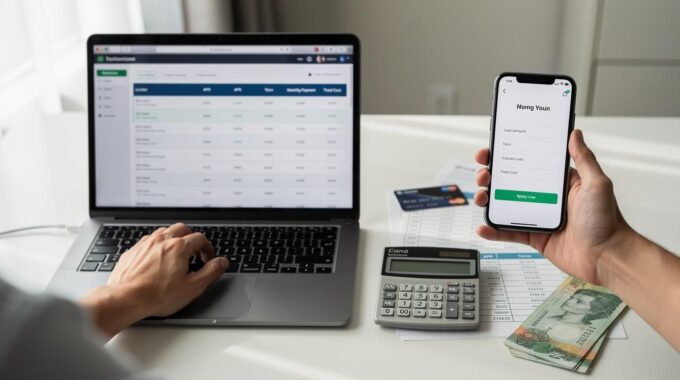
The application process changed significantly as of November 16, 2025, moving entirely online through your National Student Loan Service Centre account. You can now upload documents, track application status, and submit everything digitally using the new My Requests feature introduced in July 2025. The NSLSC Chatbot available 24/7 answers specific forgiveness questions immediately, eliminating the need for phone calls. Access your account through My Service Canada Account, which replaced the old NSLSC login system as of May 25, 2025.
Confirming Your Eligibility in Minutes
The postal code lookup tool on Canada.ca tells you instantly whether your community qualifies for health professional forgiveness. Most borrowers waste months researching when they could spend five minutes confirming eligibility and starting their application today. Your next step depends on which program fits your situation-and the tools now exist to find that answer without delay.
What You Actually Need to Qualify
Income Requirements Work Differently Than You Think
Qualifying for student loan forgiveness hinges on one critical factor: your ability to maintain consistent payments under an approved repayment plan. The Repayment Assistance Plan sets your monthly payment based on your household income, which means lower earners often qualify immediately. If your household income falls below a certain threshold, your RAP payment could be zero dollars per month, yet you still remain in active repayment status. Most borrowers miss this opportunity-they think zero payments means they’re not making progress, but the 15-year clock still ticks forward. The federal government no longer requires you to prove financial hardship through endless paperwork. Your income verification happens automatically through the Canada Revenue Agency when you apply, eliminating the documentation burden that previously blocked access.
Provincial Programs Ignore Your Income Entirely
Provincial programs like BC’s loan forgiveness initiative operate on completely different rules. BC doesn’t cap forgiveness based on income; instead, it demands that you work in a publicly funded facility in an underserved community or with eligible populations. A physician earning $300,000 annually qualifies just as readily as one earning $80,000, provided they work the required hours in the right location. This distinction matters because provincial forgiveness operates on employment geography, not financial desperation.
Documentation You’ll Actually Submit
Documentation for federal forgiveness now centers on what you upload through your NSLSC account using the My Requests feature rather than mailing physical copies. You’ll need proof of your current income (your most recent tax return works), confirmation of your employment status, and evidence of any hardship if you’re applying for RAP adjustments. For BC’s program specifically, your employer must provide a signed letter on company letterhead dated within one month of submission, stating your job title, hire date, the facility name, and whether you’re working with children or in an underserved community.

Annual verification requires another employer letter documenting your in-person service hours for the past 12 months-the forgiveness percentage directly correlates to hours worked, ranging from zero forgiveness for fewer than 100 hours up to 20% forgiveness for 400 or more hours.
Processing Timelines Have Accelerated Dramatically
Processing timelines have accelerated significantly since November 2025. Federal applications now process within 4–6 weeks once submitted online, compared to the previous 8–12 weeks when paper documents moved through the postal system. The NSLSC Chatbot provides real-time status updates, and you can track everything through your dashboard without phone calls or uncertainty. You can start your application today through your NSLSC account rather than waiting for the perfect moment-the system now rewards action over delay.
Moving From Eligibility to Action
Once you confirm your eligibility and gather your documentation, the actual submission takes minutes rather than hours. The online portal guides you through each step, and the My Requests feature keeps everything organized in one place. Your next move depends on which program fits your situation-and understanding the specific documentation each program demands determines how quickly you move from applicant to approved borrower.
Should You Pay Extra Toward Your Student Loan
The Math Against Overpayment Under RAP
Overpaying your student loan sounds logical until you examine the actual math against forgiveness timelines. If you enroll in the Repayment Assistance Plan and stay on track for forgiveness after 15 years of payments, extra money toward principal actively works against your financial interests. The interest elimination that began April 1, 2023 changed the equation significantly-your regular payments now attack principal directly rather than vanishing into interest charges. However, this doesn’t mean aggressive overpayment makes sense for everyone.
A borrower with a zero-dollar monthly payment under RAP still progresses toward the 15-year forgiveness mark without additional contributions. Extra money at the loan accelerates the payoff timeline but doesn’t accelerate forgiveness eligibility. You trade years of payments to eliminate debt faster when the government would eliminate it anyway after 15 years.
When Extra Payments Actually Make Sense
The real strategy depends on whether you stay in repayment for the full 15 years or expect your income to increase substantially. If your income trajectory suggests you’ll move out of RAP eligibility within five years, extra payments make sense because you’ll lose access to forgiveness once your income exceeds RAP thresholds. If you’re permanently lower-income or self-employed with variable earnings, extra payments represent money you could invest elsewhere at better returns than the psychological benefit of debt elimination.
Your income situation determines whether acceleration or patience serves your interests better. Higher earners who anticipate leaving RAP should pay extra. Lower earners who expect to stay in RAP should redirect that money toward other financial goals.
Provincial Programs Ignore Payment History Entirely
Provincial programs like BC’s loan forgiveness operate under completely different logic. Extra payments don’t accelerate your forgiveness percentage because BC bases forgiveness on hours worked in eligible positions, not payment history. A nurse working 450 hours annually in an underserved community receives 20% forgiveness regardless of whether they make minimum payments or double payments.
This distinction means extra payments toward your BC loan portion represent wasted opportunity. That extra money could fund your professional development, increase your emergency fund, or build investment accounts that actually compound. The forgiveness calculation at BC also ignores payments made before you register in the program-the balance at registration date determines your starting point. This creates a perverse incentive: registering with the highest possible balance maximizes your forgiveness amount.
The Tax-Free Advantage of Forgiveness
The government doesn’t tax forgiven student loan debt in Canada, so the full amount you eliminate through either federal or provincial programs represents genuine debt erasure without tax consequences. A borrower with $50,000 in remaining balance after 15 years of RAP payments receives that entire amount forgiven without triggering income inclusion or tax liability, unlike forgiven debt in other countries. This tax-free treatment makes forgiveness programs substantially more valuable than they initially appear.
Your situation determines whether extra payments represent smart strategy or financial self-sabotage. Lower-income borrowers on track for federal forgiveness should redirect extra funds elsewhere. Health professionals in eligible BC communities should focus on hours worked rather than payment amounts.
Final Thoughts
Canada student loan debt forgiveness operates through three distinct pathways, and your situation determines which one delivers the fastest relief. The federal Repayment Assistance Plan forgives remaining balances after 15 years of consistent payments, with zero-dollar monthly options available for lower-income borrowers. Provincial programs like BC’s initiative offer faster forgiveness for health professionals and educators working in underserved communities, potentially eliminating debt within five years.

Your next step involves confirming eligibility through the postal code lookup tool and submitting your application via the simplified online process through your NSLSC account. The My Requests feature lets you upload documentation and track status without phone calls or postal delays. Processing timelines now accelerate to 4–6 weeks, and the NSLSC Chatbot answers specific questions immediately.
Stop waiting for the perfect moment to apply-every month you remain unapplied represents missed progress toward forgiveness eligibility. We at Financial Canadian help you establish a strong digital presence to support your financial journey through our web design service. Start your Canada student loan debt forgiveness application today through your NSLSC account and move toward genuine debt elimination.









Leave a comment