
When cash runs short, payday loans seem like a quick fix. But the reality is harsh: interest rates often exceed 400% annually, trapping borrowers in cycles of debt that spiral for months or years.
At Financial Canadian, we believe you deserve better options. This guide walks you through proven payday loan alternatives in Canada that actually protect your financial health.
Why Payday Loans Trap You in Debt
The Math That Reveals the Real Cost
A $300 loan at the federal cap of $14 per $100 borrowed costs $42 in fees alone. Over 14 days, that amounts to roughly 365% annualized interest. Most borrowers don’t think in annualized terms, so the fee feels manageable until they calculate the true cost and realize they’re paying more in interest than some people earn in a week.

The Financial Consumer Agency of Canada found that over 40% of payday loan users are categorized as “struggling a lot”, and 90% lacked emergency savings to weather unexpected expenses. This pattern isn’t coincidence-payday loans target people in financial distress, which means the product itself preys on borrowers who can least afford the cost.
The Rollover Trap That Multiplies Debt
When the loan comes due, many borrowers can’t repay in full because the same cash crisis that forced them to borrow still exists. They roll over the loan, paying another $42 in fees for another 14 days. After three rollovers, that original $300 has cost $168 in fees alone, and the principal remains unpaid. Provincial regulations across Canada cap dishonoured payment fees at $20, but this protection only helps if you have the money to pay the original debt plus fees. The rollover cycle transforms a short-term solution into a long-term financial wound that deepens with each extension.
Inconsistent Protections Across Provinces
Lenders in British Columbia limit payday loans to 50% of your paycheque, which provides meaningful safeguard. Most provinces lack this protection, however. Ontario offers a two-business-day cancellation window and extended payment plan options, but borrowers must know these rights exist and actively pursue them-most don’t. The regulatory framework varies so dramatically by province that a borrower in one jurisdiction has far more protection than someone in another, leaving gaps where predatory practices flourish.
These vulnerabilities explain why payday loans create such devastating financial consequences. Understanding these traps is the first step toward recognizing which alternatives actually work for your situation.
What Actually Works Better Than Payday Loans
Personal Loans: Lower Costs, Realistic Terms
Personal loans from banks and credit unions offer dramatically lower costs than payday loans, though approval timelines and eligibility requirements vary. A $300 personal loan from a traditional bank typically charges interest around 7–21% annually depending on your credit score, which means you’d pay roughly $7–50 over 14 days instead of the $42 payday loan fee. Credit unions often go further: some offer small-dollar personal loans starting at $500–$2,000 with fixed rates around 14.99% and terms up to 24 months, making monthly payments predictable and manageable. The catch is that banks require stronger credit scores (usually 660+), while credit unions may accept scores as low as 541, though this varies by institution. If you have fair credit or no credit history, credit unions in your province should be your first call because they’re regulated locally and often prioritize member welfare over pure profit.
Lines of Credit and Balance Transfers: Interest Only on What You Use
Lines of credit work differently and can be cheaper still if you only need temporary cash flow relief. A personal line of credit charges interest only on what you withdraw, so a $300 draw over 14 days might cost $6–8 depending on your rate, making it substantially better than both payday loans and fixed personal loans. Balance transfer credit cards are another option if you have existing credit card debt; moving that balance to a 0% promotional card for 6–21 months eliminates interest charges during the transfer period, though balance transfer fees typically run 1–3% of the amount moved. Credit card cash advances are faster than personal loans (funds arrive within hours) but cost more than personal lines of credit, usually around $8–12 for a $300 advance plus interest starting immediately.
Government Programs and Non-Profit Support: Plan Ahead
Government assistance and community resources exist but require advance planning because they’re not instant solutions. Employment Insurance, provincial disability supports, and emergency assistance programs can bridge income gaps, though applications take weeks or months to process. Non-profit credit counselling through organizations like Credit Canada is free and can help you negotiate extended repayment plans with existing creditors or identify programs you qualify for.

If payday loan debt becomes unmanageable, licensed insolvency trustees across Canada offer statutory options including consumer proposals (pay back a portion of debt over time) and bankruptcies as last resorts.
Finding Your Best Option Based on Timeline
The reality is this: if you need money today, personal loans or lines of credit from credit unions are your best practical options because they approve faster than banks and cost far less than payday lenders. If you have time to plan, lines of credit and balance transfers should be your target. If you’re already trapped in payday debt, free counselling and statutory options exist to help you escape. Choosing the right alternative depends on how quickly you need funds and what your credit situation actually looks like-which is exactly what the next section addresses.
Which Alternative Matches Your Situation
Timeline Determines Your Realistic Options
How fast you need the money eliminates options immediately. If you need funds within 48 hours, credit unions offering small-dollar personal loans are your realistic choice since traditional banks typically take 5–10 business days for approval. Credit card cash advances arrive fastest (sometimes within hours via Interac e-transfer), but they cost more upfront and interest starts accruing immediately, so they work only if you can repay within days. Lines of credit from banks or credit unions require similar approval timelines as personal loans but offer flexibility once approved, letting you withdraw only what you need when you need it. Government programs and non-profit counselling won’t help with immediate cash needs, so set those aside if your crisis is urgent.
Calculate the Actual Dollars You’ll Pay
The fee differences between options are substantial and worth calculating before you apply. A $500 loan over 14 days costs roughly $70 from a payday lender at the federal cap, but only $6–12 from a personal line of credit at typical rates, saving you $58–64. That math changes if you need $1,500 because you’d pay $210 in payday fees versus $18–36 through a line of credit, a difference of $174–192. Credit unions with small-dollar programs charge around 14.99% fixed rates on personal loans, which for a $2,000 loan over 12 months means roughly $160 in interest, substantially lower than payday costs and with predictable monthly payments you can budget around.
Your Credit Score Opens or Closes Doors
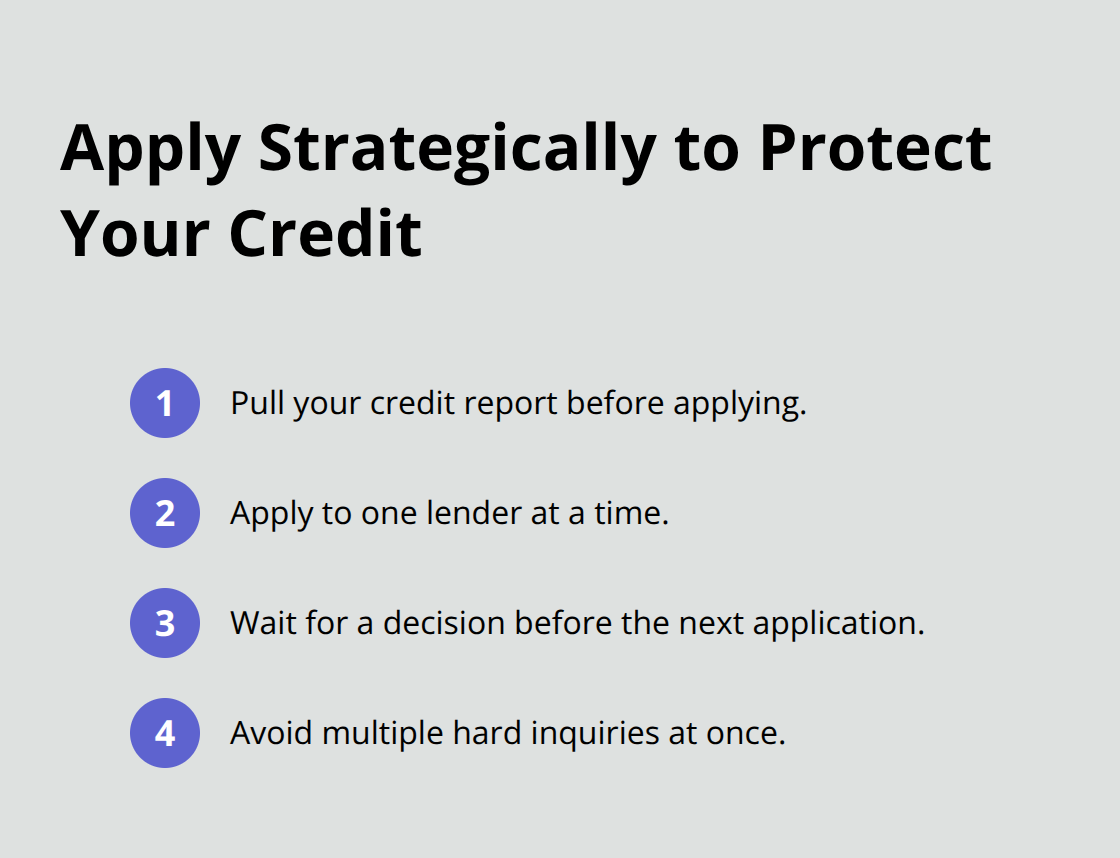
Your credit score determines which lenders will actually approve you, so pull your credit report from Equifax or TransUnion before applying anywhere. Scores above 660 open access to traditional bank personal loans at 7–15% rates. Scores between 541 and 659 are credit union territory where approval is realistic and rates stay under 20%. Scores below 541 make payday loans feel inevitable, but that’s precisely when credit counselling through non-profits becomes essential because they negotiate with creditors to extend payment timelines, sometimes reducing what you owe altogether.
Apply Strategically to Protect Your Score
Each application to a lender creates a hard inquiry that temporarily lowers your score, so avoid applying to multiple lenders simultaneously. Contact one lender, get a decision, then explore other options if rejected. This approach protects your credit while you search for the best fit (rather than damaging your score across multiple inquiries at once).
Final Thoughts
Payday loans in Canada promise speed but deliver financial damage. A $300 loan costs $42 in fees over 14 days, which annualizes to roughly 365% interest. When borrowers roll over the loan because the original cash crisis persists, fees compound and debt spirals into a trap that costs far more than the initial emergency.
The payday loan alternatives Canada offers are genuinely better and worth your time to explore. Personal loans from credit unions cost a fraction of payday fees and approve borrowers with credit scores as low as 541, while lines of credit charge interest only on what you withdraw-making a $300 draw over 14 days cost roughly $6–8 instead of $42. Credit card cash advances arrive within hours and cost less than payday loans for short-term gaps, and balance transfers at 0% promotional rates eliminate interest charges for months.
Your next step depends on your timeline and credit situation. If you need funds within 48 hours, contact a credit union offering small-dollar personal loans since approval often happens in one business day. If you’re already trapped in payday debt, free credit counselling through non-profits like Credit Canada can negotiate extended repayment plans or identify programs you qualify for. Start by pulling your credit report, calculating what you actually need to borrow, and contacting one lender to explore your realistic options.










Leave a comment