
Canada’s online loan market has exploded over the past five years, with borrowers now choosing from personal loans, payday options, and lines of credit without ever stepping into a bank branch.
At Financial Canadian, we’ve seen firsthand how confusing it can be to navigate these Canada online loan options. This guide walks you through the types available, how to compare lenders fairly, and what approval actually requires.
Types of Online Loans Available in Canada
Personal Loans: Flexibility and Speed
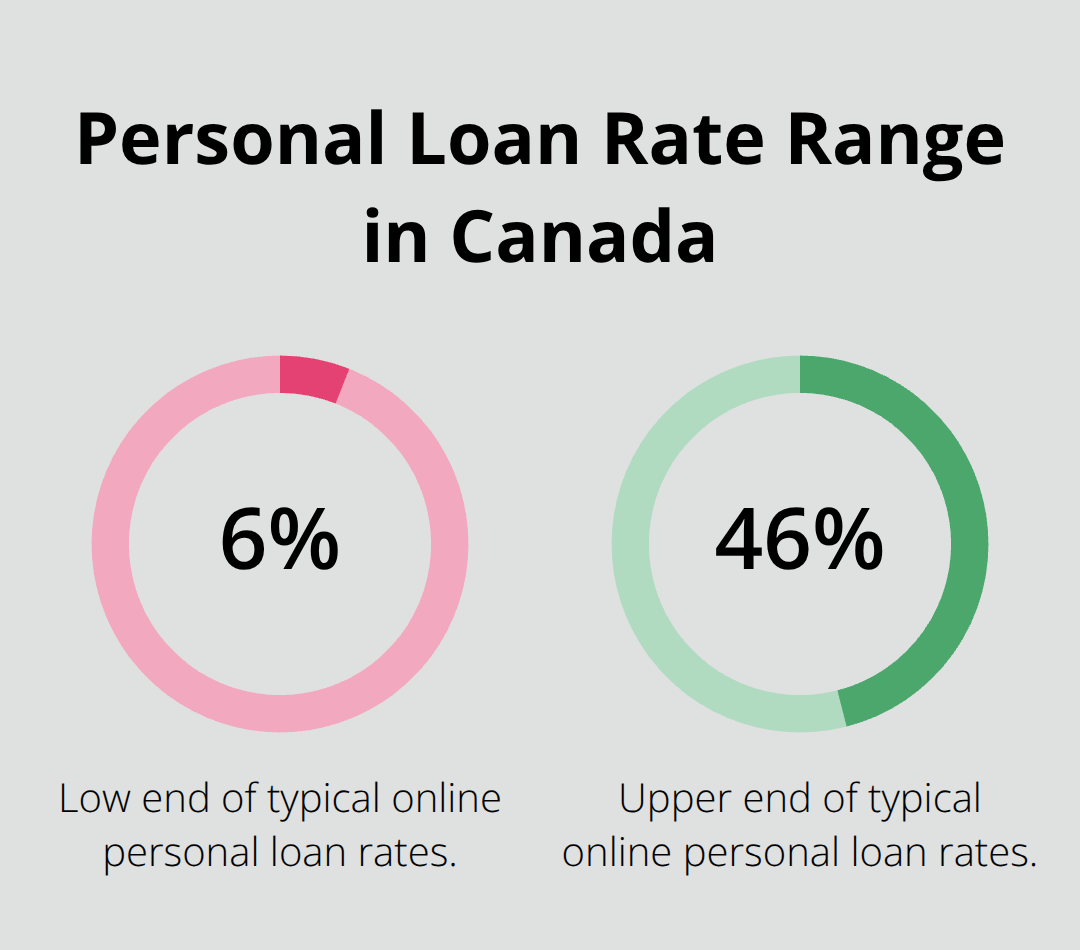
Personal loans dominate Canada’s online lending space because they offer flexibility that other products simply don’t match. These unsecured loans typically range from $500 to $50,000, with repayment periods spanning 12 to 84 months. Interest rates hover between 6% and 46% depending on your credit score, which means excellent credit holders pay roughly one-third what those with poor credit pay. The application process takes minutes, and funds hit your account within one to two business days.
You can use personal loan money for anything-debt consolidation, home renovations, emergency expenses-without restrictions. The catch is that lenders pull your credit hard, which temporarily dips your score by a few points.
Payday Loans: The Expensive Emergency Option
Payday loans represent the expensive alternative people turn to when they need cash immediately and have no other options. These short-term loans typically max out at $1,500 and carry interest rates between 390% and 780% annually according to data from the Financial Consumer Agency of Canada. You repay the full amount plus fees within two weeks, which means a $500 payday loan costs roughly $80 to $120 in fees alone.
The application takes 15 minutes, and money arrives the same day. However, payday loans trap borrowers in cycles because the repayment period is so short that many people borrow again immediately after paying off the first loan. We recommend avoiding payday loans entirely unless it’s a genuine emergency with no alternatives, because the cost structure almost guarantees you’ll pay far more than the borrowed amount.
Lines of Credit and Installment Loans: The Middle Ground
Lines of credit and installment loans sit between these extremes. A line of credit works like a credit card-you access funds up to your approved limit and only pay interest on what you actually use, with rates between 7% and 21%. Installment loans function like personal loans but typically carry lower rates because they’re secured by collateral or your income verification.
Both options require stronger credit than payday loans but offer more breathing room than the two-week payday cycle. Understanding which loan type matches your situation sets you up to compare lenders effectively and find the best rates available.
How to Compare Online Loan Providers
Look Past the Interest Rate
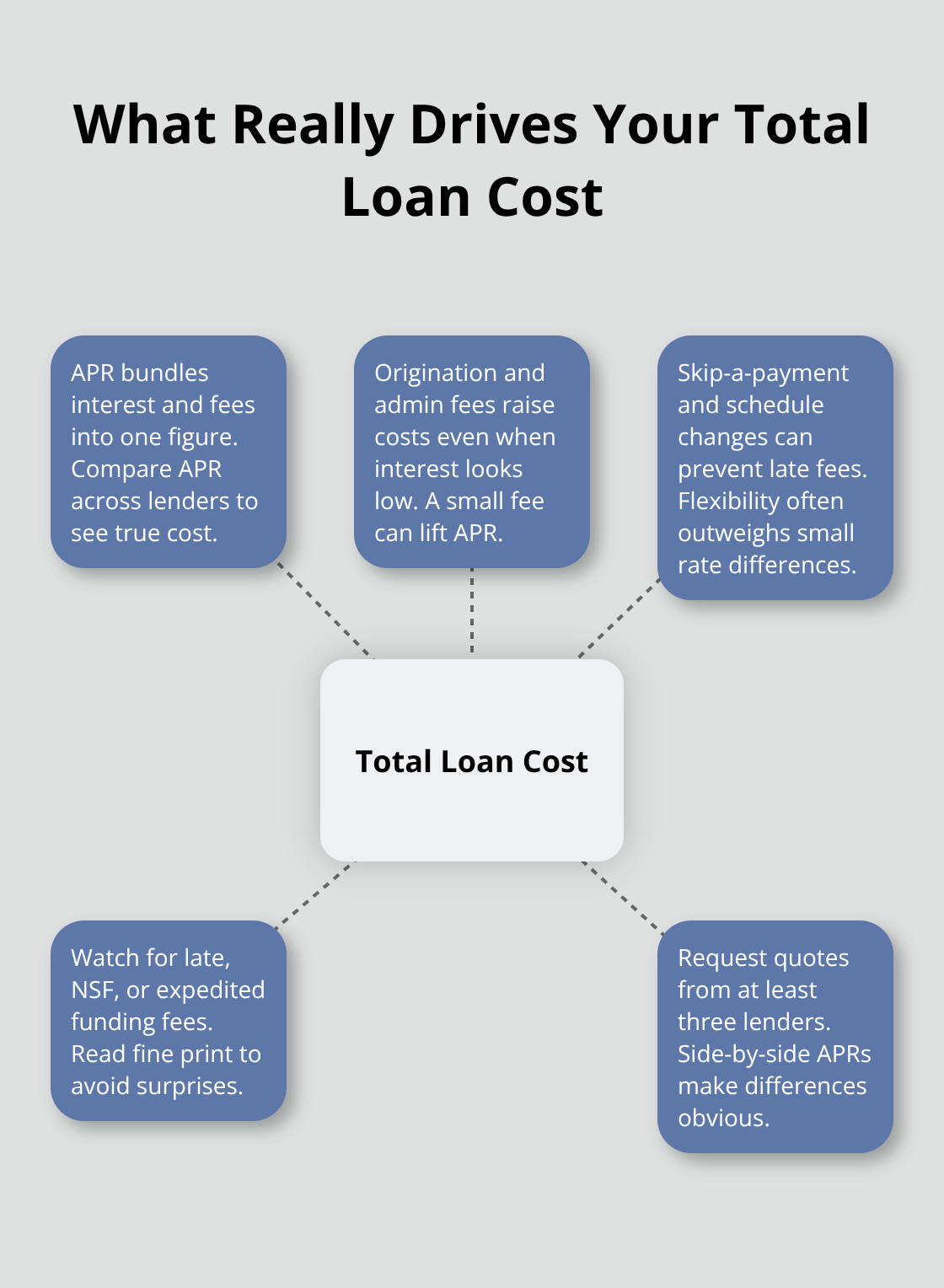
Comparing online lenders requires you to look past advertised rates and examine the actual cost structure. Most borrowers fixate on interest rate alone, but the total cost of a loan depends heavily on fees, repayment flexibility, and hidden charges that lenders bury in fine print. Pull quotes from at least three lenders and request a Loan Estimate that shows the annual percentage rate (APR), which bundles interest and fees into one number. This APR is what you actually compare-not the interest rate alone. A lender advertising 8% interest might hit you with a $200 origination fee, effectively pushing your true cost to 10.5% APR.
Evaluate Repayment Terms and Penalties
Check whether the lender charges prepayment penalties if you want to pay off early, because some Canadian lenders still penalize you for settling debt faster. Look at repayment flexibility too-can you skip a payment without penalty, or adjust your payment schedule? These features matter far more than promotional rates that disappear after six months. Ask lenders directly about their policies on payment adjustments and early repayment before you apply.
Verify Lender Reputation and Licensing
Lender reputation directly impacts whether you actually receive the funds promised and whether customer service helps when problems arise. Check the Better Business Bureau ratings for the specific lender, not just generic reviews on their website, because companies control their own testimonials. Read complaints on the Financial Consumer Agency of Canada website specifically about that lender to spot patterns around delayed funding or hidden fees. Google the lender’s name plus “complaints” and look for discussions in Canadian personal finance communities, where borrowers share unfiltered experiences.
Trust only lenders licensed to operate in your province-check your provincial securities regulator’s website to verify registration. Speed matters, but a lender that promises same-day funding but takes five days anyway wastes your time. Call their customer service line with a question before applying to gauge response quality. The cheapest rate means nothing if the lender disappears after you sign the paperwork.
Move Forward With Your Application
Once you’ve narrowed your options to lenders with solid reputations, competitive APRs, and flexible terms, you’re ready to tackle the approval process itself.
Getting Approved for an Online Loan
Documents You Need to Submit
Online lenders in Canada require far less paperwork than traditional banks, but they still need proof that you can repay. Most lenders ask for your driver’s license or passport, proof of income like recent pay stubs or tax returns, and bank statements showing your account history. Self-employed borrowers face stricter requirements and typically submit two years of tax returns plus business financial statements. The entire documentation process takes 10 to 15 minutes if you have files ready.
Upload everything through the lender’s secure portal rather than emailing sensitive documents, since email leaves your information vulnerable. Some lenders let you connect your bank account directly through open banking, which eliminates the need for manual uploads and speeds approval to hours instead of days. This direct bank connection also gives lenders instant visibility into your spending patterns and cash flow, which actually improves your approval odds if you maintain healthy account balances.
How Your Credit Score Affects Approval and Rates
Your credit score is the single biggest factor lenders evaluate, and it directly dictates whether you get approved and what interest rate you’ll pay. Most Canadian online lenders require a minimum credit score between 600 and 650 to qualify, though some accept scores as low as 550 if you have strong income. Equifax and TransUnion are Canada’s two credit bureaus, and lenders check both before making decisions.
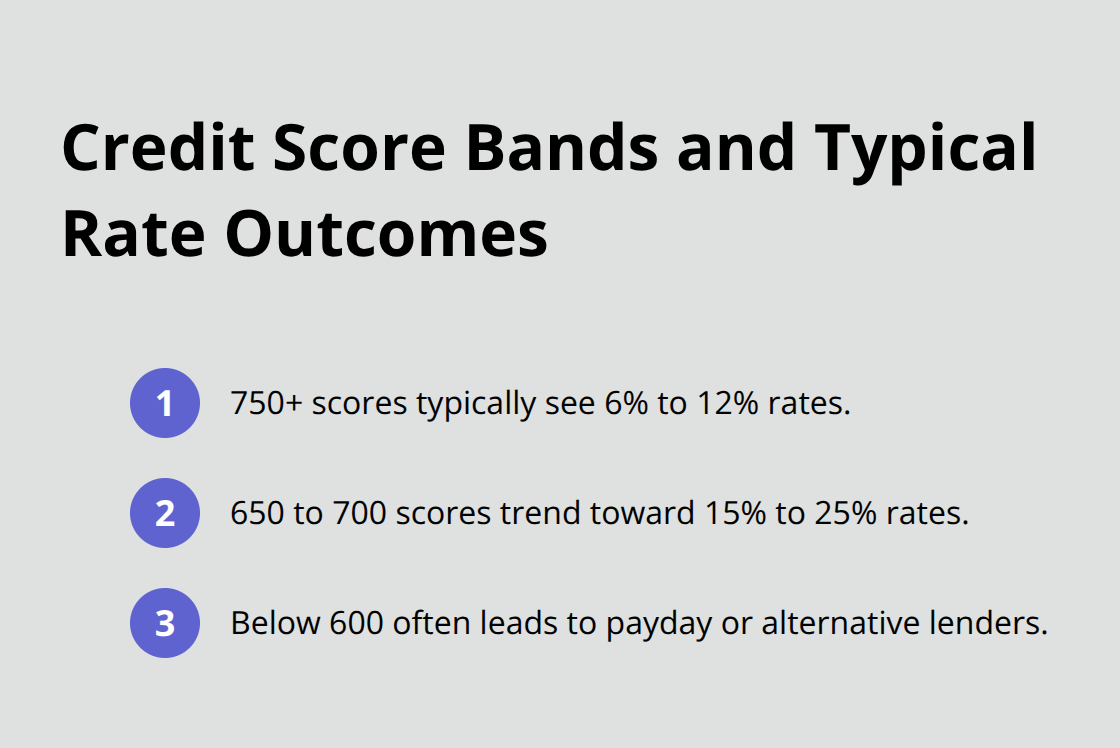
A score of 750 or higher typically qualifies you for rates between 6% and 12%, while a score between 650 and 700 pushes you toward rates between 15% and 25%. Below 600 and you’re pushed toward payday lenders or alternative lending, where costs become predatory. The hard inquiry lenders perform when you apply drops your score by 3 to 5 points temporarily, so avoid applying to multiple lenders within a short timeframe. Space applications two to three weeks apart so each inquiry’s impact fades before the next one hits.
You can check your own credit score free through Equifax Canada or TransUnion directly without triggering a hard inquiry, which lets you know exactly where you stand before applying anywhere.
Strengthen Your Application Before You Submit
Lenders care about three things beyond your credit score: income stability, debt-to-income ratio, and employment history. Show at least six months of consistent income through recent pay stubs, and emphasize if you’ve worked at your current job for over two years since lenders view that as stability. Calculate your debt-to-income ratio by dividing your total monthly debt payments by your gross monthly income.
Most lenders want this ratio below 40%, which means if you earn $4,000 monthly, your total debt payments shouldn’t exceed $1,600. If your ratio is higher, pay down existing debts before applying for a new loan rather than adding to your obligations. A larger down payment on a secured loan signals commitment and reduces lender risk, so save even $500 to $1,000 before applying if possible.
Add a co-signer with better credit if your application is borderline, though understand this makes them legally responsible for repayment if you default. The application itself matters too-fill every field completely and accurately, since incomplete applications get rejected automatically. Typos or mismatched information between your application and supporting documents trigger manual review, which delays approval by days. Take 10 minutes to proofread everything before you submit.
Final Thoughts
Canada online loan options require careful comparison before you commit to any lender. Personal loans work best for most borrowers because they balance reasonable rates with manageable repayment periods, while lines of credit suit those who need ongoing access to funds without a lump sum commitment. Payday loans should remain your absolute last resort, reserved only for genuine emergencies when every other option has failed.
Choosing the right lender matters as much as choosing the right loan type. Compare APRs across at least three providers, verify their licensing through your provincial regulator, and check their reputation on the Financial Consumer Agency of Canada website before you apply. Lenders with solid track records, transparent fee structures, and flexible repayment terms will cost you less money over time than those offering rock-bottom rates with hidden charges buried in fine print.
After you secure your loan, set up automatic payments to avoid missed deadlines that damage your credit further. If your financial situation improves, pay down the balance faster to reduce total interest costs. Track your spending to understand why you needed to borrow in the first place, then build an emergency fund so future unexpected expenses don’t force you back into debt (and if you’re building a business or personal brand online, our web design service delivers the responsive, SEO-optimized websites that establish credibility and drive growth).










Leave a comment