
Home renovation loans Canada offer a practical way to fund your remodel without draining your savings. Whether you’re updating your kitchen or adding a new bathroom, choosing the right financing option matters.
At Financial Canadian, we’ve put together this guide to help you understand your borrowing options and find the loan that fits your situation best.
Your Main Renovation Financing Options
Home Equity Lines of Credit (HELOC)
A HELOC taps into the equity you’ve built in your home and functions like a flexible credit card. With a HELOC, you borrow against the available equity in your home. It’s a secured credit product, where your home acts as collateral. You borrow only what you need, when you need it, and pay interest solely on the amount drawn. This flexibility works well for phased renovations where costs emerge gradually. A HELOC typically offers lower interest rates than personal loans because your home secures the debt. However, rates are usually variable, meaning your monthly payment can fluctuate if the prime rate changes. If you’re refinancing your mortgage anyway, adding a HELOC costs little in terms of setup fees. The downside is that your home becomes collateral, so defaulting puts your property at risk.
Home Equity Loans
A home equity loan functions differently from a HELOC. You receive a lump sum upfront, repay it over a fixed term, and your monthly payment stays the same regardless of interest rate movements. This predictability helps with budgeting, especially for large, well-defined projects like a complete kitchen overhaul. Rates on home equity loans are typically lower than unsecured personal loans because the lender holds a second mortgage against your home. You’ll face closing costs, including legal fees and appraisals, which can add 1–2% to your borrowing costs. This option makes sense if you know your exact renovation expenses and want payment certainty.

Unsecured Personal Loans
Unsecured personal loans require no home equity and no collateral, making them the safest choice for homeowners hesitant to risk their property. Approval depends primarily on your credit score, income, and employment history rather than how much equity you’ve accumulated. Monthly payments are fixed, simplifying budget planning. The trade-off is higher interest rates compared to secured options. For smaller renovations or when you lack sufficient home equity, an unsecured personal loan is often faster to obtain. Many lenders offer instant online approval, with funds deposited within one to two business days, letting you start work immediately.
Now that you understand the three main renovation loan options, the next step involves assessing your specific situation to determine which option aligns with your budget, timeline, and risk tolerance.
Which Loan Type Fits Your Renovation Goals
Match Your Project Size to the Right Loan
Selecting the right renovation loan requires matching three critical factors to your specific situation: the size of your project, how quickly you need funds, and your comfort level with risk. Start by pinning down your exact renovation budget. A Toronto homeowner renovating a major bungalow typically faces costs between 60,000 and 80,000 CAD, while a bathroom upgrade might run 15,000 to 25,000 CAD depending on scope. Once you know your number, determine your timeline. If you’re tackling one major project like a complete kitchen overhaul, a home equity loan makes sense because you’ll receive the full amount upfront and know your exact monthly payment from day one. If your renovations will unfold in phases-new windows this year, flooring next year-a HELOC gives you flexibility to draw funds as needed without paying interest on money sitting unused. For smaller projects under 20,000 CAD or when you lack sufficient home equity, unsecured personal loans from lenders offering instant online approval often get you started within one to two business days.
Shop Interest Rates Across Multiple Lenders
Interest rate shopping is non-negotiable, and the difference between lenders can cost you thousands over the loan term. A 5-year home equity loan at 6% versus 7% on a 50,000 CAD project adds roughly 2,600 CAD in extra interest. Call at least three lenders-banks, credit unions, and online lenders-and request their current rates for your loan type and amount.
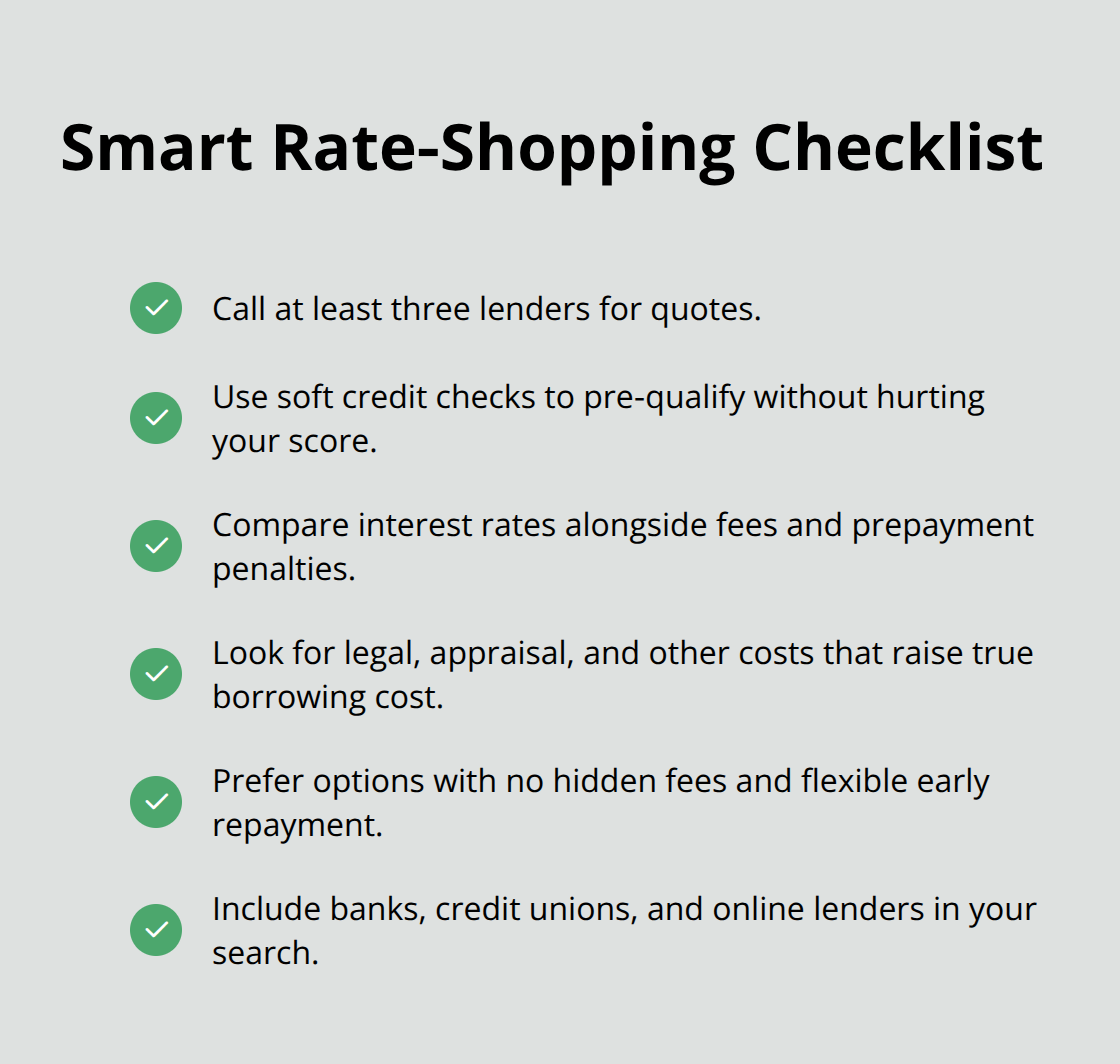
Most lenders offer soft credit checks that don’t impact your credit score, so pre-qualify with multiple options before committing. Pay attention to the fine print: some home equity loans charge legal fees, appraisal costs, or prepayment penalties that inflate your true cost. Unsecured personal loans typically have no hidden fees and allow early repayment without penalties, which matters if your financial situation improves.
Understand How Credit Score and Eligibility Affect Your Options
Your credit score directly affects your rate; borrowers with very good credit typically qualify for substantially better terms than those with fair credit. If your score is below 700, consider waiting three to six months while you pay down existing debt and correct any errors on your credit report before applying. Finally, verify eligibility requirements upfront. Home equity products require you to own your home outright or have meaningful equity-typically at least 20 percent-while unsecured personal loans depend almost entirely on income and employment history. An online application for an unsecured personal loan takes about five minutes and provides instant decisions in many cases, whereas home equity loans require property appraisals and legal reviews, adding one to two weeks to approval.
Once you’ve narrowed down which loan type matches your situation, the next step involves understanding the specific approval factors that lenders evaluate when they assess your application.
What Lenders Actually Care About When Approving Your Loan
Your Credit Score and Payment History
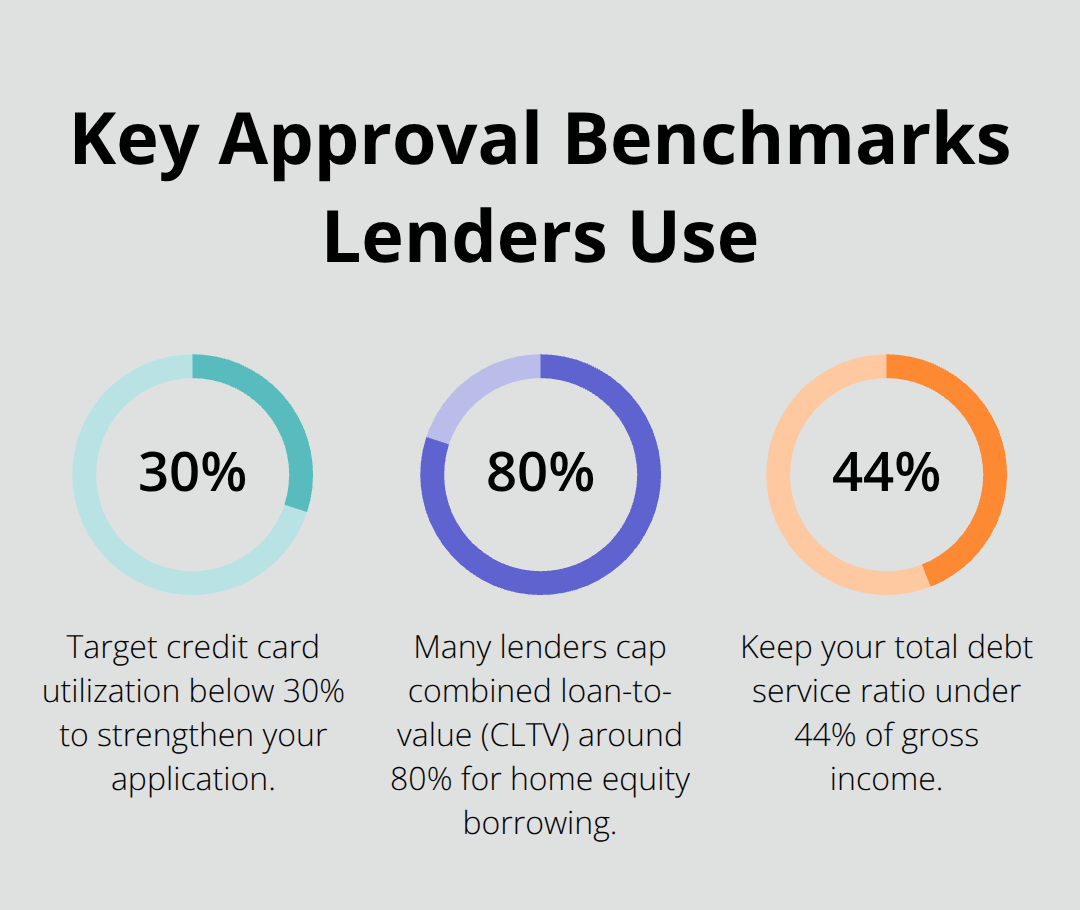
Your credit score determines whether you qualify and what rate you’ll pay, but lenders evaluate far more than just that single number. When you apply for a renovation loan, lenders scrutinize your full credit history, not just your current score. They want to see that you’ve managed debt responsibly over time, paid bills on schedule, and kept credit utilization below 30 percent on your credit cards. Lenders typically require a minimum credit score of 620 to qualify. Before applying, pull your credit report from Equifax or TransUnion at no cost and dispute any errors you find. Paying down existing debt for three to six months before applying can boost your score meaningfully.
How Lenders Calculate Your Loan-to-Value Ratio
For home equity products, lenders calculate your loan-to-value ratio, which compares your total borrowing against your home’s current market value. If your home is worth 500,000 CAD and you have a 300,000 CAD mortgage with plans to borrow 50,000 CAD more, your combined loan-to-value sits at 70 percent. Most lenders cap this at 80 percent, so knowing your home’s value and existing mortgage balance before shopping prevents wasted applications. This calculation matters because it determines how much equity you can access and what rate the lender will offer.
Income and Employment Stability Requirements
Your income and employment stability matter equally to your credit score. Lenders want proof that you earn enough to handle the new monthly payment alongside existing obligations. A gross household income of 225,000 CAD supporting a mortgage payment plus daycare and student loans leaves limited room for additional debt service. Most lenders expect your total debt service ratio to stay below 44 percent of gross income, meaning all your monthly debt payments should not exceed that threshold. If you’re self-employed, expect to provide two years of tax returns and possibly a notice of assessment from the Canada Revenue Agency. If you’ve changed jobs recently, have a written job offer letter ready. Lenders view employment gaps or frequent job changes as red flags, but a clear explanation often resolves concerns.
Speed of Approval by Loan Type
Unsecured personal loans rely almost entirely on credit score and income because there’s no property to appraise, which is why approval takes just five minutes online for qualified applicants. Home equity loans and HELOCs require property appraisals and legal documentation, adding one to two weeks but allowing lower rates because your home secures the debt.
Final Thoughts
You now have three clear paths to finance your renovation: HELOCs for phased projects, home equity loans for lump-sum certainty, and unsecured personal loans for speed and simplicity. The biggest mistake homeowners make is accepting the first offer they receive without shopping around. Interest rate differences between lenders on home renovation loans Canada can easily cost you thousands of dollars over your loan term-a half-percent difference on a 50,000 CAD loan over five years adds roughly 1,300 CAD in extra interest.
Spend an afternoon calling three to five lenders and request quotes for your specific loan amount and term. Compare not just rates but also fees, prepayment penalties, and approval timelines. Most lenders offer soft credit checks that won’t damage your score, so you face no downside to shopping around. Before you apply anywhere, pull your credit report, verify your home’s equity position if you’re considering a secured product, and calculate what monthly payment you can realistically afford alongside your existing obligations.
Getting pre-approved gives you concrete numbers to work with and signals to contractors that you’re a serious buyer, often leading to better pricing on their end. We at Financial Canadian help homeowners navigate their financing options with personalized guidance on loans and credit solutions. Take time upfront to understand your options, compare terms carefully, and make an informed decision rather than rushing into the first available loan.











Leave a comment