
Your credit score is one of the most important numbers in your financial life. It affects whether you qualify for loans, what interest rates you’ll pay, and even your ability to rent an apartment.
At Financial Canadian, we’ve created this guide to help you build credit scores in Canada from the ground up. Whether you’re starting from scratch or recovering from past mistakes, the steps ahead will show you exactly how to strengthen your financial profile.
What Your Credit Score Range Means in Canada
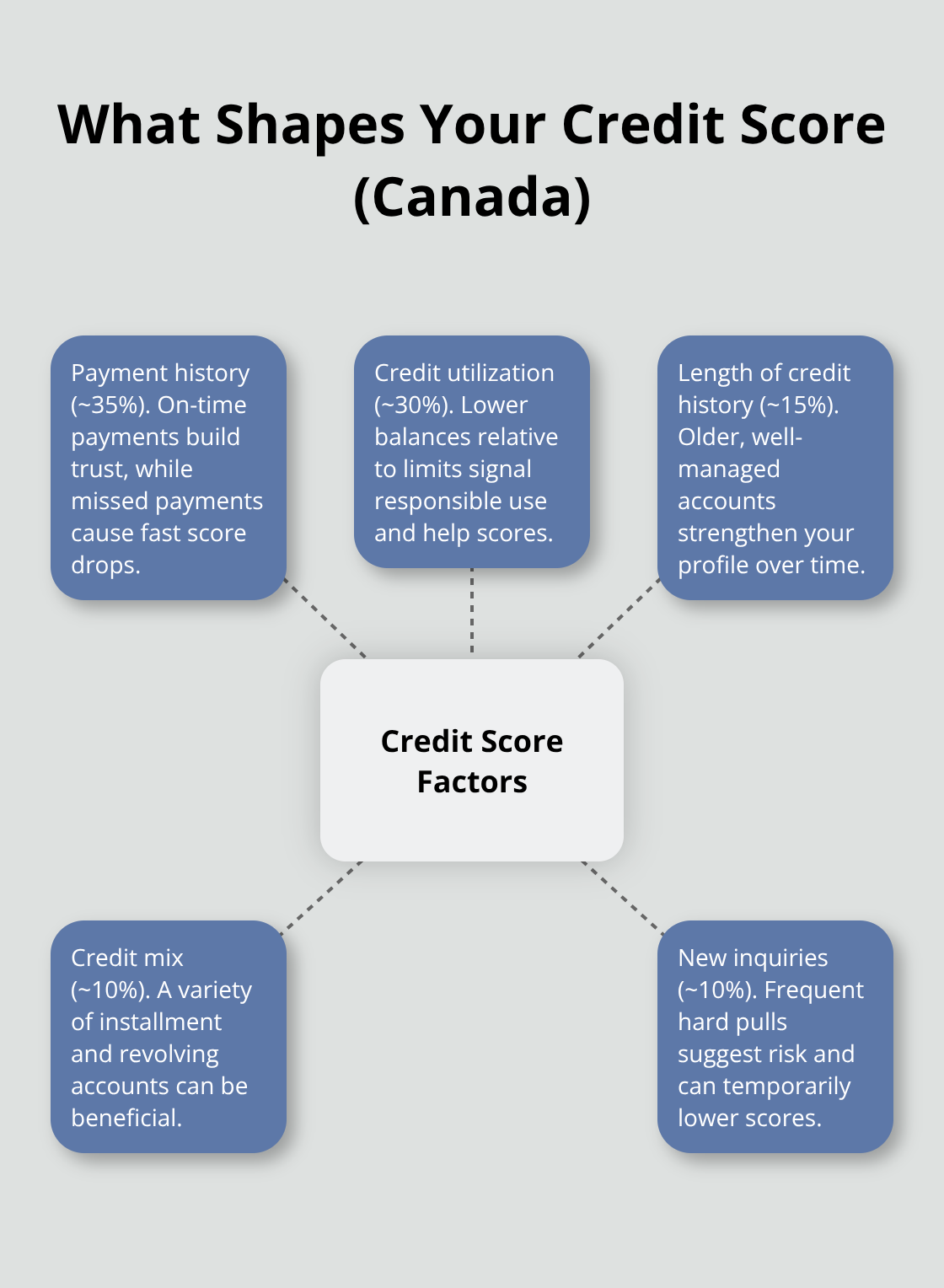
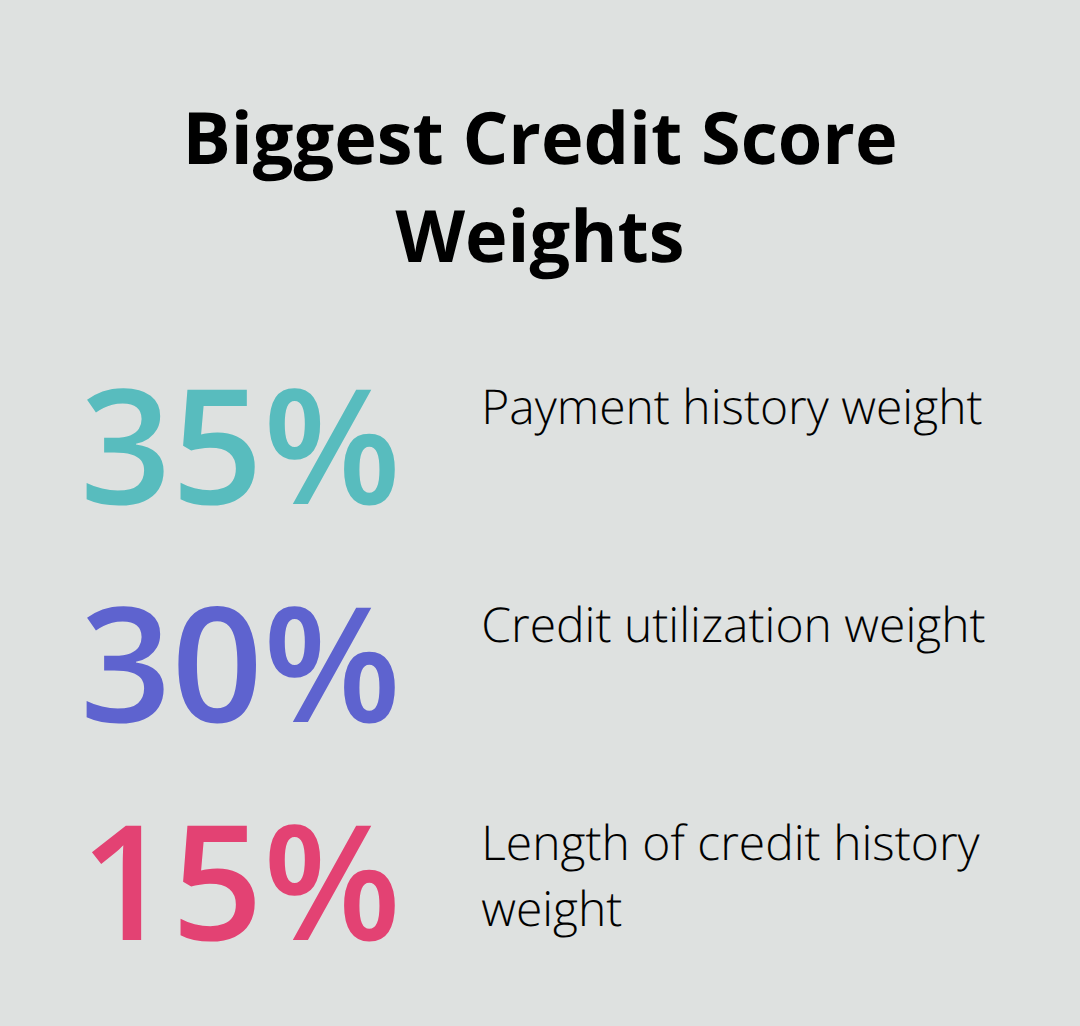
In Canada, credit scores range from 300 to 900, and this range matters far more than most people realize. Equifax, one of Canada’s two major credit bureaus alongside TransUnion, calculates your score based on five core factors: payment history accounts for about 35 percent of your score, credit utilization makes up roughly 30 percent, length of credit history contributes around 15 percent, credit mix represents about 10 percent, and new inquiries take up the remaining 10 percent. A score around 700 is generally considered the threshold where lenders start offering favorable terms on mortgages, car loans, and credit cards, but the reality is that scores above 700 often cluster into similar rate ranges.
This means chasing an 800 score versus maintaining a 750 may not yield dramatically better loan rates in most cases, though anecdotal reports show some borrowers with 800-plus scores securing rates like 2.8 percent compared to advertised rates around 4.88 percent. The practical takeaway is that reaching 700 should be your primary goal, not obsessing over perfection.
How Payment History Shapes Your Score
Payment history is the single biggest driver of your credit score, and this factor alone determines whether you build wealth or dig yourself into a hole. A missed payment causes a noticeable immediate drop, while consistent on-time payments gradually rebuild your score over time.
Set up automatic payments for at least your minimum balance to remove the human error from the equation and protect yourself from the damage that comes with even one late payment. If you do miss a payment, contact your lender immediately to discuss a repayment plan or forgiveness options, because the sooner you address it, the less damage accumulates. Missed payments stay on your credit record for up to 36 months, so timing matters when you apply for major purchases like a mortgage.
Credit Utilization and the 30 Percent Rule
Keep your credit card balances below 30 percent of your total credit limits, and this single habit will accelerate your score improvement more than almost anything else. If you have a 5,000 dollar credit limit, try to carry no more than 1,500 dollars in balance. One practical trick involves timing your payments just before your creditor reports to the credit bureaus, which shows a lower reported balance even if you pay it off later. High utilization around 32 to 33 percent can trigger a temporary score drop, so staying comfortably below 30 percent creates a buffer. Instead of opening new credit cards to increase your total available credit, request a credit limit increase on your existing accounts through a soft inquiry, which doesn’t hurt your score.
Building the Foundation for Better Rates
Your credit score determines the interest rates lenders offer you, and even small differences in your score can translate to thousands of dollars in savings over the life of a loan. Landlords may also look at your credit score in competitive rental markets, where a higher score becomes advantageous. The steps you take now-paying on time, controlling utilization, and monitoring your report-directly influence the financial opportunities available to you. These habits form the foundation for everything that follows, from securing better credit card offers to qualifying for mortgages at rates that reflect your financial responsibility.
How to Start Building Credit Right Now
Secured Credit Cards: The Fastest Path Forward
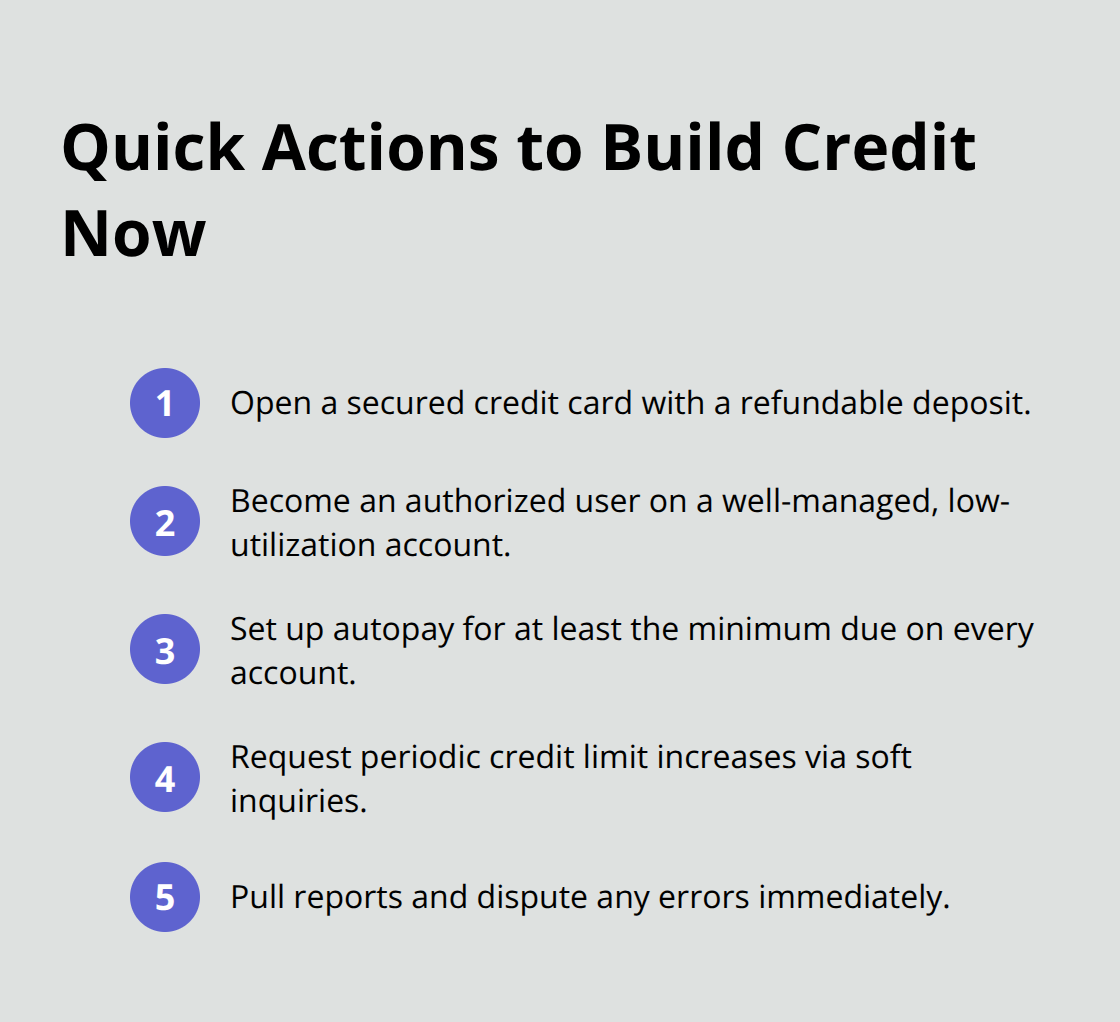
A secured credit card offers the fastest way to build credit when you have little to no history. You deposit cash that becomes your credit limit, typically ranging from $300 to $5,000, and most Canadian banks like TD and RBC offer these products. The deposit sits in an account while you use the card for everyday purchases, and after 12 to 18 months of on-time payments, many issuers graduate you to an unsecured card and return your deposit. This approach works because it eliminates lender risk while giving you a real credit product that reports to both Equifax and TransUnion.
Becoming an Authorized User
If you already have someone with established credit willing to add you as an authorized user on their account, that path moves even faster. Their payment history and account age transfer to your credit file immediately, sometimes boosting your score within 30 to 45 days. The key is choosing someone whose account has a long history and consistently low utilization, because their responsible behavior becomes part of your credit profile too.
Automate Your Payments
Automatic payments protect your score from the damage that comes with missed payments. Set up autopay for at least your minimum balance on every credit account, or better yet, automate full statement balance payments if your cash flow allows it. Late payments may remain on your credit reports for up to seven years, making them far more costly than the interest you’d pay on a small carried balance.
Request Credit Limit Increases Strategically
Request credit limit increases on existing accounts every 6 to 12 months through soft inquiries, which don’t create hard pulls or hurt your score like new applications do. This strategy boosts your available credit without the risk of new inquiries dragging down your score. You can also pull your credit reports from Equifax and TransUnion annually through their official channels and dispute any errors you find immediately-inaccurate negative entries sometimes disappear after a single call to your creditor requesting removal, and correcting these errors can produce meaningful score improvements without waiting months for positive account history to accumulate.
These foundational actions set the stage for the next critical phase: understanding which common mistakes can undo all your progress and how to avoid them entirely.
Common Mistakes That Damage Your Credit Score
Late payments and maxed-out credit cards are the two fastest ways to obliterate months of careful credit building. A single missed payment causes an immediate and noticeable drop in your score, and late payments stay on your credit record for up to 36 months, gradually losing impact as you accumulate fresh on-time payments. If you miss a payment by even one day, contact your lender immediately because the damage worsens dramatically once the account hits 30, 60, or 90 days past due. The difference between a 30-day late payment and a 90-day late payment is substantial-a 90-day delinquency signals serious financial distress to future lenders and tanks your score far more severely.
The Damage of Maxed-Out Credit Cards
High credit card balances tell lenders you’re financially stretched, and when you max out even one card, your utilization spikes across your entire credit profile. Carrying a $5,000 balance on a $5,000 limit doesn’t just hurt that card’s utilization; it damages your overall utilization ratio across all accounts, dragging your entire score down regardless of how perfectly you’ve paid everything else. This effect compounds because lenders view high utilization as a sign of financial stress, not just a temporary situation.
Why Multiple Credit Applications Backfire Quickly
Applying for multiple credit products within a short timeframe creates a domino effect of hard inquiries that tanks your score far more than most people expect. Each application triggers a hard inquiry, and according to Equifax, multiple inquiries in a short period compound the damage because they signal to lenders that you’re desperately seeking credit. Spacing applications out by at least three to six months gives your score time to recover between inquiries and prevents the appearance of financial desperation.
If you need credit now, prioritize one application and wait before applying elsewhere, because two applications within 30 days do more damage than one application today and one application three months from now. When you do apply, know that the inquiry itself stays on your credit report for up to three years, though its impact fades significantly after the first few months. The hard inquiry is just the beginning-opening a new account also lowers your average credit history age because the new account is brand new, and this age factor immediately drags down your overall score.
The Superior Alternative to Multiple Applications
This is why secured credit cards and authorized user status are superior to opening multiple new accounts: secured cards offer real credit building without the damage of multiple hard inquiries, and authorized user status requires zero new applications at all. You avoid the hard inquiry trap entirely while still building your credit profile in ways that lenders recognize and reward.
Final Thoughts
Building credit scores in Canada requires patience and consistency, not shortcuts or quick fixes. The actions you take today-paying on time, controlling utilization, and monitoring your reports-compound over months and years into a financial profile that opens doors. Expect meaningful improvements within 30 to 45 days after positive changes, with monthly updates as lenders report to Equifax and TransUnion, though reaching your target score of 700 or higher typically takes 6 to 12 months of sustained good habits.
Pull your credit reports annually from both Equifax and TransUnion through their official channels at no cost, and dispute any inaccuracies immediately. Enable credit monitoring and alerts so you stay informed about key changes to your credit file, which helps you spot identity theft or reporting errors before they become serious problems. These tools give you visibility into your financial standing and protect your progress.
Secure a credit card or become an authorized user, set up automatic payments, keep utilization below 30 percent, and review your credit report for errors. We at Financial Canadian help you establish a strong financial foundation alongside your online presence. Start today, stay consistent, and your credit profile will reflect the financial responsibility you build.










Leave a comment