
Finding the right online loan in Canada means understanding your options and knowing what lenders actually expect from you. We at Financial Canadian have put together this guide to cut through the confusion and show you exactly how to compare lenders, apply with confidence, and avoid common pitfalls.
Whether you need quick cash or have faced credit challenges, the online loans Canada options available today are more accessible than ever. This guide walks you through everything from application timelines to approval strategies.
What Types of Online Loans Can You Actually Access Right Now
Personal Loans: Speed and Transparency
Personal loans sit at the top of the accessibility ladder for most Canadians. These loans range from $2,000 to $35,000 with repayment terms stretching from 24 to 84 months, and lenders like Fig offer APRs between 8.99% and 29.49%. The real advantage here is speed and transparency. You can check your rate in seconds without damaging your credit score through a soft inquiry. Fig has funded over $530 million in personal loans to more than 35,000 customers, which tells you this option works at scale. The application process takes three steps: soft pre-qualification, selecting your loan amount and term, then funding after a hard credit check. Funds typically arrive within one business day after approval.
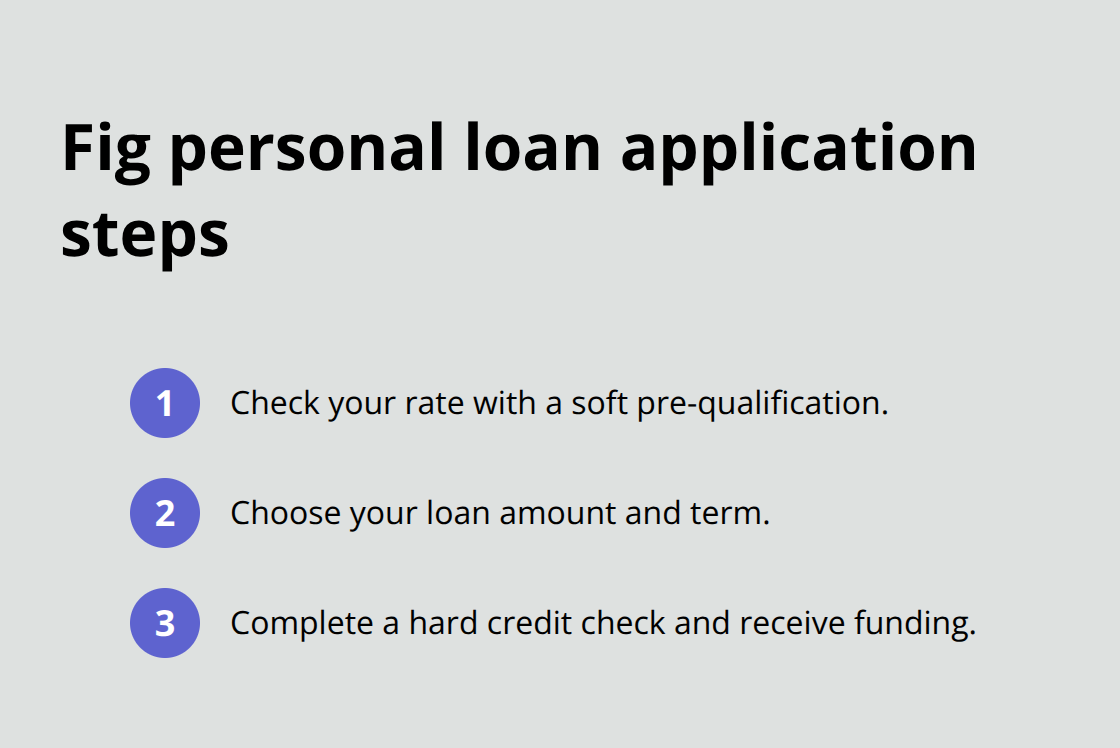
Personal loans work best if you have stable income and reasonable credit because your rate directly depends on your financial profile. Money Mart operates a different model with 360+ branches across Canada and offers loans from $100 to $25,000 with potential same-day funding. Their installment loans carry APRs between 34.56% and 34.95% depending on payment frequency, with terms from 6 to 84 months. This matters because branch availability gives you options if you prefer in-person processing or need faster access to cash.
Payday Loans: The Expensive Emergency Option
Payday loans represent the expensive shortcut for immediate cash needs. Money Mart’s Payday Boost operates in Alberta, British Columbia, Nova Scotia, Ontario, Saskatchewan, Manitoba, and Newfoundland and Labrador, but not in New Brunswick or Quebec. The cost structure is brutal. Ontario residents who borrow $500 for 14 days pay $70 in fees at 365% APR. Manitoba charges approximately $42 on a $300 loan for 12 days at 425.83% APR. These aren’t loans to take lightly because you pay for speed, not a fair rate.
Bad Credit and Alternative Lenders
Bad credit and alternative lenders operate differently by focusing on income rather than credit scores. LendDirect has served Canadians since 2016 with lines of credit up to $10,000 and secured loans up to $25,000 using vehicle collateral. Their secured loans carry APRs from 24.99% to 34.99% depending on your province and application. The line of credit model means you borrow what you need, repay it, and reuse the available credit without reapplying each time. Funding happens fast through LendDirect, sometimes within 15 minutes via Interac e-Transfer or direct deposit.
What separates these lenders is their willingness to look beyond your credit history and consider your current income stability. If you have faced credit challenges, alternative lenders report your on-time payments to Equifax Canada, which actually helps rebuild your credit profile over time. Understanding which loan type matches your situation sets you up to compare options effectively and identify the lender that fits your needs.
Comparing Online Loans Without Getting Trapped
Understanding APR and Real Borrowing Costs
APR and real borrowing costs is where most borrowers make their first mistake. You see a lender advertising a 9.99% rate, but that number only applies if you have excellent credit and stable income. Fig’s rates range from 8.99% to 29.49%, and where you land depends entirely on your financial profile. The difference matters enormously.
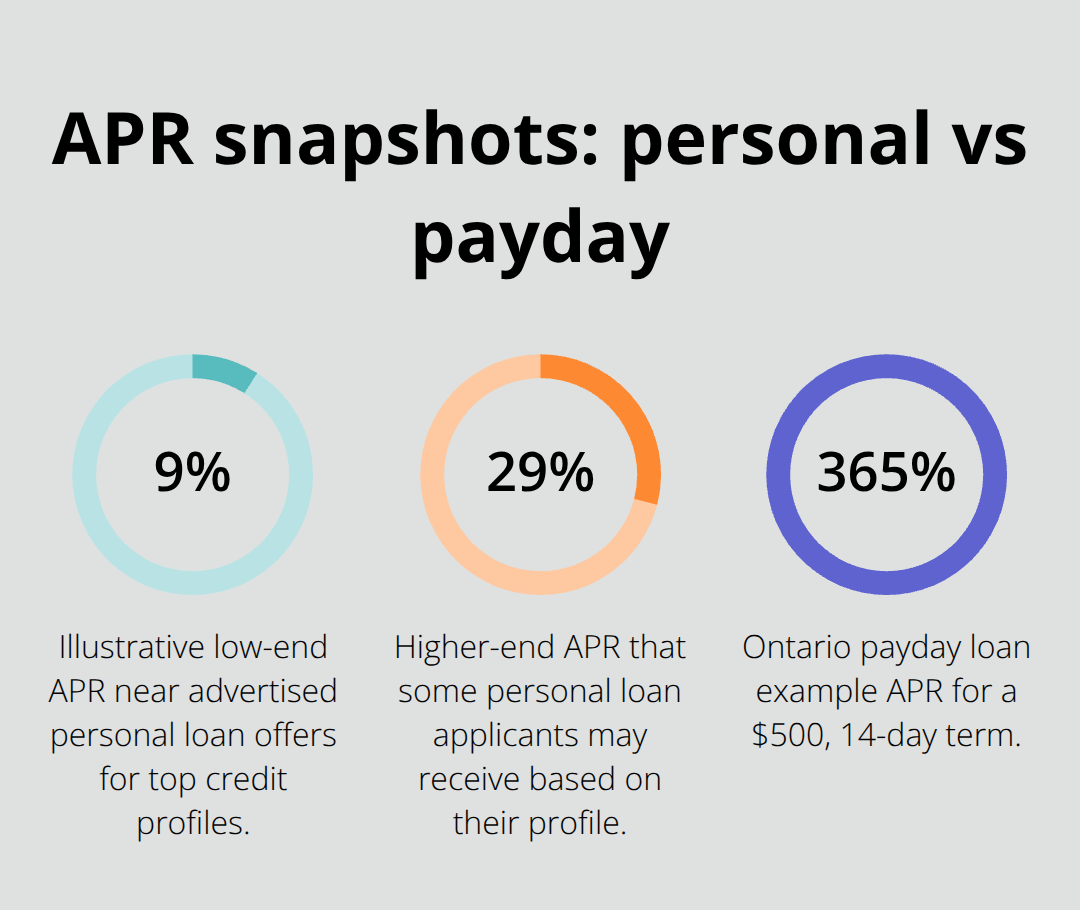
A $10,000 loan at 9% over five years costs roughly $2,440 in interest, while the same loan at 29% costs approximately $7,760. That’s not a minor variation.
When you compare lenders, ignore advertised minimums and ask what rate you actually qualify for. Use Fig’s soft pre-qualification tool to see your actual rate without affecting your credit score. Money Mart’s installment loans sit between 34.56% and 34.95%, which means you pay significantly more than traditional personal lenders charge. Payday loans aren’t comparable products at all-they’re emergency options for specific situations, not general borrowing solutions.
Hidden Fees and Transparent Pricing
The APR tells you the true annual cost, but you also need to check for hidden fees. Fig charges no repayment fees and no penalties for early repayment. LendDirect’s secured loans require lien searches with fees that vary by province, so ask about these costs upfront before committing. Money Mart emphasizes transparent fees with no surprises, which matters because unexpected charges destroy your repayment plan.
Repayment Flexibility That Fits Your Life
Repayment flexibility separates loans that work for your life from loans that create stress. LendDirect’s line of credit model lets you borrow what you need up to your limit, repay it, and reuse the credit without reapplying each time. You only pay interest on what you actually borrow, not your full approved amount. Fig offers terms from 24 to 84 months, giving you control over your monthly payment size. Longer terms mean smaller monthly payments but more total interest paid. Shorter terms cost less overall but require larger monthly commitments. Money Mart’s installment loans stretch from 6 to 84 months, so you have genuine flexibility there.
Evaluating Lender Credentials and Customer Trust
Check lender reviews on Trustpilot to see what actual customers experienced during repayment. Fig customers report smooth processes, and Money Mart’s reviews highlight quick approvals and helpful service. Lender credentials matter more than you’d think because you trust them with your financial information and ongoing payments. Fig is backed by Fairstone Bank and the Ontario Teachers’ Pension Plan, meaning institutional investors stand behind the platform. LendDirect has operated since 2016 and reports payments to Equifax Canada, which legitimizes their operations. Money Mart operates 360+ physical branches across Canada, providing accountability through physical presence.
Verify any lender’s registration with provincial regulators and confirm they use bank-level encryption for data security. The Financial Consumer Agency of Canada is responsible for protecting the rights and interests of consumers of financial products and services. Scammers impersonate legitimate lenders, so confirm you’re dealing with the actual company through official contact channels before sharing personal information. Once you’ve narrowed your options based on rates, fees, and flexibility, the next step involves understanding what lenders actually require from you and how quickly they can move your application forward.
Getting Your Application Approved and Funded
Documentation and Eligibility Requirements
Most lenders require the same core documentation: valid government-issued ID, proof of income (recent pay stubs or tax returns), and verification of an open chequing account. LendDirect explicitly requires applicants to be at least 18 with steady income and a home address on file. Fig’s process reduces friction by allowing pre-qualification with just a soft credit check that doesn’t affect your credit score, then you submit full documentation only after selecting your loan amount and term. Money Mart accepts applications online, through their mobile app, over the phone, or at one of their 360+ branches, which means you choose the method that fits your situation.
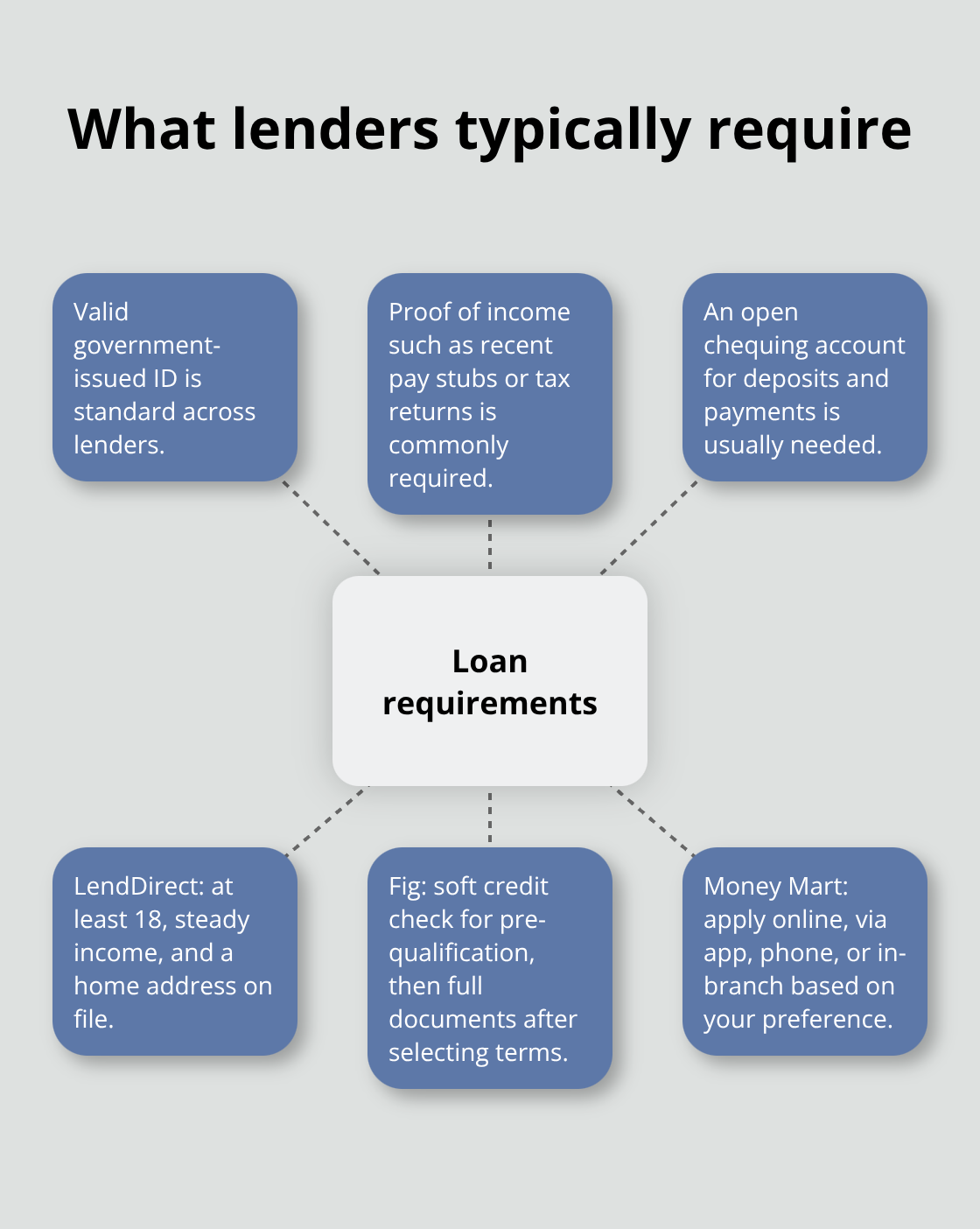
The eligibility bar varies significantly by lender. Fig excludes residents of Northwest Territories, Nunavut, and Yukon. Money Mart’s Payday Boost doesn’t serve New Brunswick or Quebec residents. LendDirect’s availability depends on your province, so you need to check their website before applying. Income stability matters more to alternative lenders than your credit score. Alternative data scores incorporate cash flow signals such as income consistency, bill and rent payments, and spending patterns, which opens doors for people rebuilding their credit.
Speed of Funding and Application Timelines
Speed varies dramatically depending on how you apply and which lender you choose. LendDirect funds loans in as little as 15 minutes via Interac e-Transfer for amounts up to $10,000, making them genuinely fast for urgent needs. Fig typically deposits funds within one business day after approval. Money Mart offers same-day funding at some branches through in-branch Interac e-Transfer, though online applications usually take until the next business day.
The timeline from application to final decision matters more than funding speed. LendDirect provides pre-approval decisions almost immediately during business hours, with final decisions within 48 hours after submitting documents. Fig’s three-step process (soft pre-qualification, selecting terms, then hard credit check) typically completes within hours.
Overcoming Rejection and Strengthening Your Application
Rejection happens most often because applicants fail to meet minimum income requirements or lack sufficient employment history. Lenders want proof you can repay, not promises. If you’ve been rejected, increase your chances by waiting three to six months while establishing steady income documentation, then reapply with recent pay stubs showing consistent earnings.
Adding a co-signer with stronger credit strengthens your application significantly. If you’re rebuilding credit, LendDirect reports your payment history to Equifax Canada, meaning responsible repayment actively improves your credit score over time rather than just avoiding damage.
Final Thoughts
Finding the right online loans Canada option means matching your actual situation with a lender’s strengths. Personal loans work best if you have stable income and want transparent rates, while payday loans serve genuine emergencies but cost significantly more. Alternative lenders like LendDirect focus on your current income rather than past credit mistakes, which opens doors if you’re rebuilding your financial profile.
The most common mistake borrowers make is comparing advertised rates instead of checking what they actually qualify for. Use soft pre-qualification tools to see your real rate without damaging your credit score, then compare APR, total fees, repayment terms, and funding speed across multiple lenders. Borrow only what you can genuinely repay within your budget, and read the full terms before accepting any offer because hidden fees or unexpected conditions destroy even well-planned budgets.
Check lender credentials through provincial regulators and verify you’re contacting the actual company, not a scammer impersonating them. If you’re rejected, wait three to six months while building stronger income documentation rather than applying elsewhere immediately, since multiple hard credit inquiries damage your score. We at Financial Canadian help you navigate financial decisions with practical guidance and real data so your borrowing choice shapes your financial health deliberately rather than desperately.









Leave a comment